
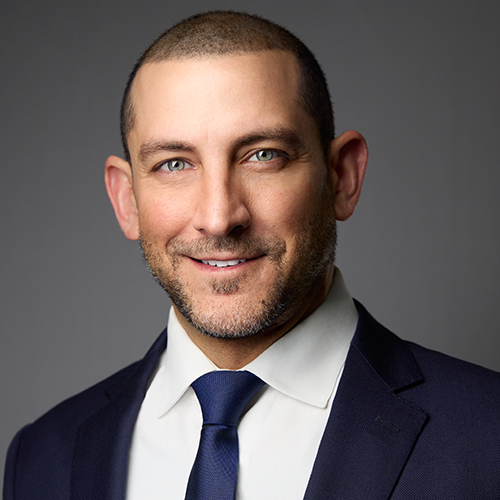
Dr. Robert Moghim, MD
Colorado Pain Care

Smoking Cessation
Non Coded | 1790882294
Smoking impacts nearly every system in the body, including the heart, lungs, immune system, and nervous system. It plays a major role in chronic pain and recovery after medical procedures. Smoking increases pain over time by boosting inflammation and reducing oxygen delivery, creating a harmful cycle where pain leads to more smoking, and smoking leads to more pain.
When it comes to medical procedures, smoking reduces blood flow and oxygen to tissues, weakens the immune system, and interferes with healing. This can result in delayed wound healing, higher infection rates, and poorer overall results after procedures. Additional complications may arise, potentially limiting or delaying some procedures or reducing their effectiveness.
Timing your smoking cessation is crucial. Quitting at least four weeks before a procedure significantly reduces complications, with even greater benefits at six to eight weeks. However, stopping smoking at any time, even a few days prior, can improve oxygen levels, circulation, and overall outcomes.
The good news is that even short-term reduction or cessation can improve healing, decrease complications, and enhance both pain and recovery. Supportive plans include medications, nicotine replacement therapies like patches or gum, and structured support programs. These approaches, personalized to individual needs, focus on moving toward cessation and achieving significant improvements in both short-term recovery and long-term health.